Why Sativa Cannabis Flower Wins for Daytime Use
The Case for Sativa: More Than Just a Buzzword
For anyone who has spent time exploring the world of cannabis, the choice between Indica and Sativa is often the first fork in the road. I have seen many newcomers assume that all cannabis is the same, but after a few afternoons spent sampling different types, the differences become clear. Sativa cannabis flower, in particular, has earned a loyal following among those who need to stay sharp, creative, and productive. It is not just about getting high; it is about finding the right tool for the moment.
I remember the first time I tried a truly well-grown Sativa. It was a hot summer afternoon, and a friend handed me a joint rolled with what he called "the real stuff." Within minutes, I felt a lift in my mood and a clarity of thought that I had not experienced before. That was my introduction to why so many people reach for sativa cannabis flower when they need to focus on a project, enjoy a long walk, or simply have a conversation without feeling heavy or sluggish.
What Sets Sativa Apart in a Crowded Market
The key to understanding Sativa lies in its chemical profile and how it interacts with your body. While Indica strains are famous for their relaxing, body-heavy effects, Sativa strains typically produce a more cerebral and uplifting experience. This is largely due to the balance of cannabinoids like THC and CBD, and the specific cocktail of terpenes present in the plant. When you buy high-quality sativa cannabis flower, you are getting a product that has been grown and cured to preserve those volatile compounds that give each strain its unique character.
Take, for example, the widely loved Blue Dream. This strain is a hybrid, but its Sativa-dominant genetics shine through in a gentle, euphoric effect that many people use for creative work or socializing. I have seen writers and musicians swear by it. Another classic is Sour Diesel, a strain that hits hard with a pungent, fuel-like aroma and a long-lasting mental buzz. Then there is Dutch Treat, which offers a sweeter, more balanced Sativa experience that has been a staple in the Pacific Northwest for decades. These are not just names on a menu; they are the result of years of careful breeding and selection.
Why Craft and Small-Batch Matter for Flower Potency
When you hear terms like "craft cannabis" or "AAA-grade," it is not just marketing. These labels reflect real differences in how the plant is grown, harvested, and handled. I have visited several farms in the Okanagan Valley, and the attention to detail in small-batch operations is striking. Growers who focus on craft cannabis often use organic certification practices, even if they do not carry the official label, because they understand that healthy soil produces healthy plants. They also tend to prefer greenhouse-grown methods, which allow for precise control over light, temperature, and humidity. This results in flower that is more consistent in potency and flavor.
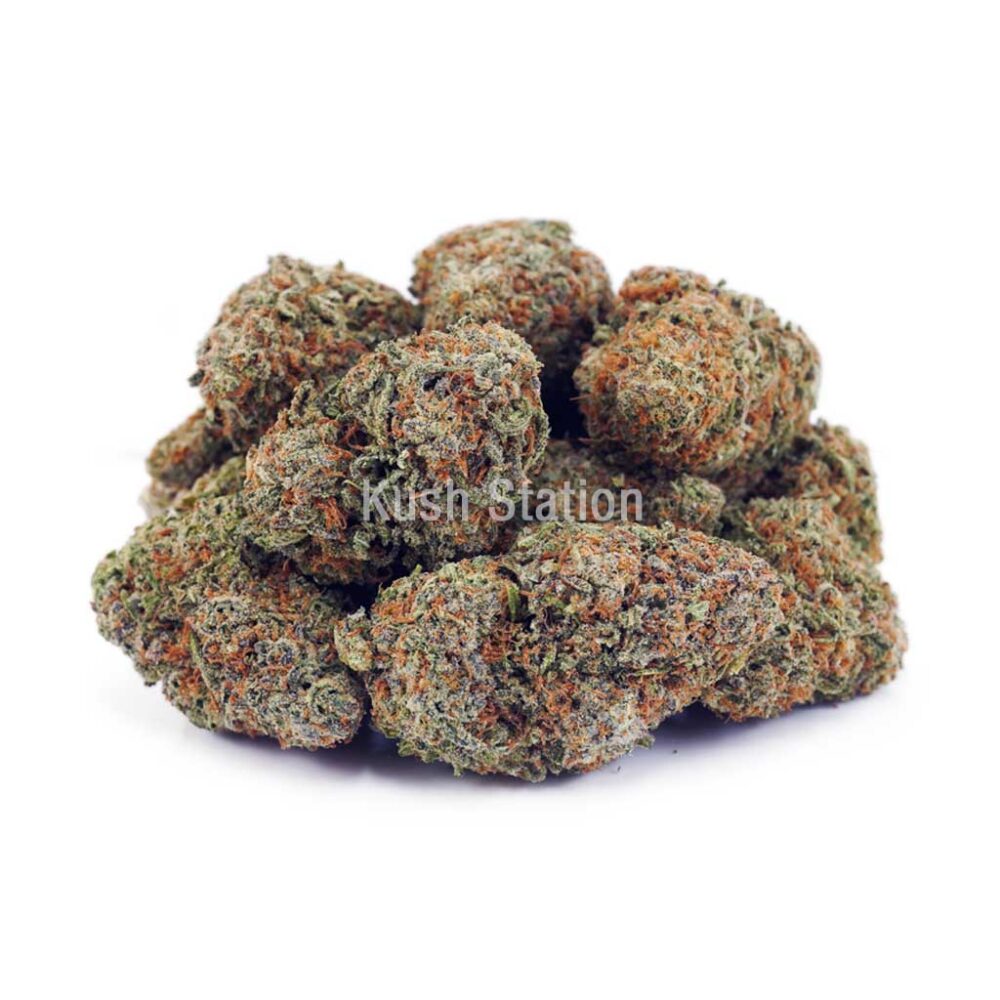
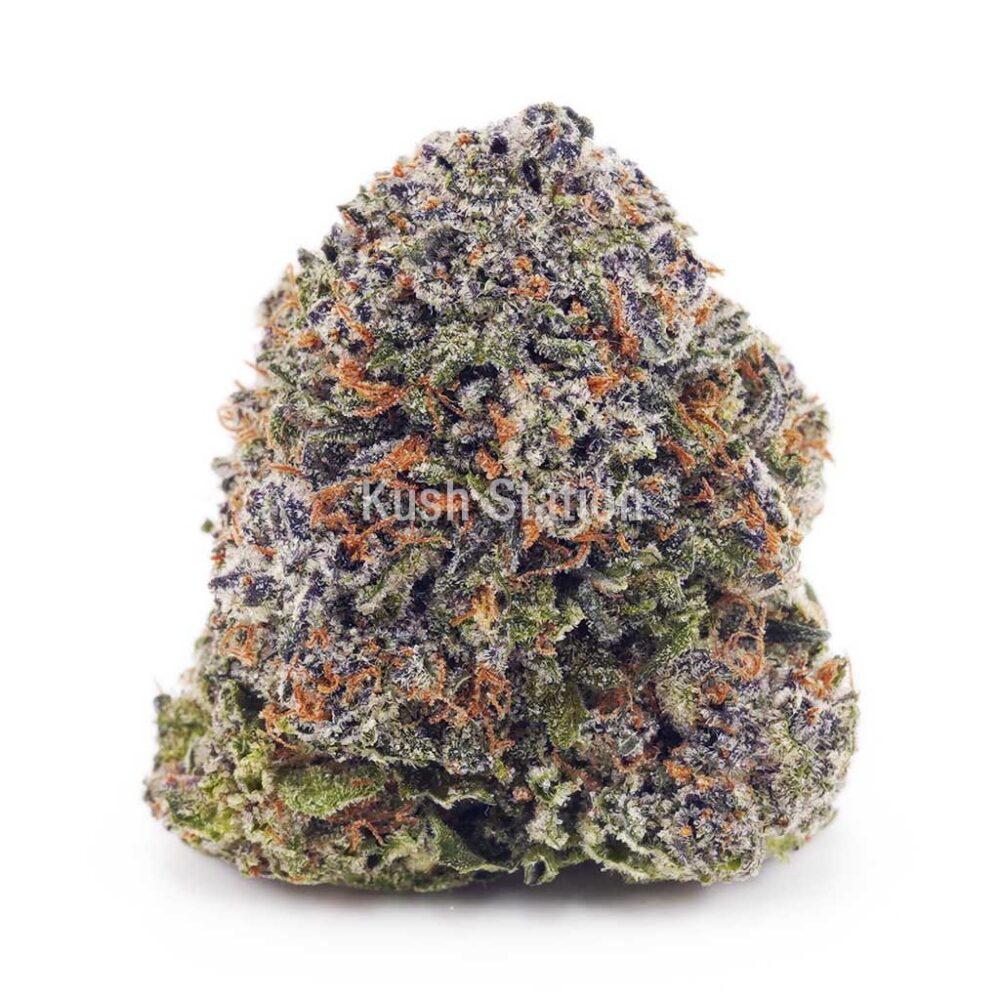
The difference becomes obvious when you compare a mass-produced bud to something grown in small batches. The density, the trichome coverage, and the aroma are all amplified. For sativa cannabis flower, this is especially important because the delicate terpenes that create those bright, citrusy, or piney notes are easily degraded by heat, poor handling, or long storage. A well-grown Sativa should smell vibrant and complex, with notes that change as you break the bud open. That is the hallmark of proper craft.
Terpenes: The Hidden Drivers of the Sativa Experience
When people talk about the effects of a strain, they often focus on THC percentage, but that is only part of the story. The real magic lies in the terpenes, the aromatic compounds that give each strain its scent and also influence how it interacts with your body. In Sativa strains, you commonly find myrcene, caryophyllene, and limonene. Myrcene is known for its sedative and pain-relieving properties, but in the context of a Sativa, it often appears in lower amounts, allowing the more stimulating effects of other terpenes to come through. Caryophyllene, which has a spicy, peppery aroma, can bind to cannabinoid receptors in a unique way, potentially enhancing the overall experience. Limonene, as you might guess from the name, contributes that bright, citrusy smell and is associated with mood elevation.
I have found that paying attention to terpene profiles is more useful than just looking at THC numbers. A strain with moderate THC but a rich blend of uplifting terpenes can feel far more energizing than a high-THC strain that has a flat, one-dimensional profile. This is where the expertise of the grower and the care in processing become visible. When you open a jar of well-cured sativa cannabis flower, you should be able to pick out those individual notes, whether it is the lemon of a good Super Lemon Haze or the earthy spice of a classic.
Heirloom Strains and the Search for Authenticity
There is a growing interest in heirloom strains, and for good reason. These are the old-school genetics that have been preserved and passed down through generations of growers. They often have a depth of flavor and a complexity of effect that modern hybrids have lost in the pursuit of higher yields or faster growth. In Canada, BC Bud has a legendary reputation, and much of that comes from the heirloom Sativa strains that were cultivated in the mountains and valleys of British Columbia. The Okanagan Valley, in particular, has a climate that is ideal for growing these plants, with long, sunny days and cool nights that help the plants develop rich terpene profiles.
One of my personal favorites from this lineage is a strain called Girl Scout Cookies. While it is technically a hybrid, its Sativa-leaning variants can be incredibly uplifting. The key is knowing which version you are getting. A good grower will tell you the lineage and the specific phenotype, because that information matters. When you buy heirloom or craft sativa cannabis flower, you are not just buying a product; you are buying a piece of agricultural history.
Practical Advice for Choosing and Using Sativa Flower
If you are new to Sativa, start low and go slow. The effects can be intense, especially if you are used to Indica or a balanced hybrid. I recommend finding a trusted source that can tell you about the growing conditions, the harvest date, and the terpene breakdown. Look for flower that has been stored properly, in a cool, dark place, and that still has a strong aroma. Avoid anything that smells like hay or has a dry, crumbly texture. That is a sign that the quality has degraded.
When it comes to consumption, vaporizing tends to preserve the flavor and the effects better than smoking, because you are not burning off the delicate terpenes. But a well-rolled joint with a slow burn can also give you a full picture of the strain. Pay attention to how you feel after the first few minutes. A good Sativa should lift your mood and sharpen your focus without making you feel anxious or jittery. If you find a strain that does that, stick with it.
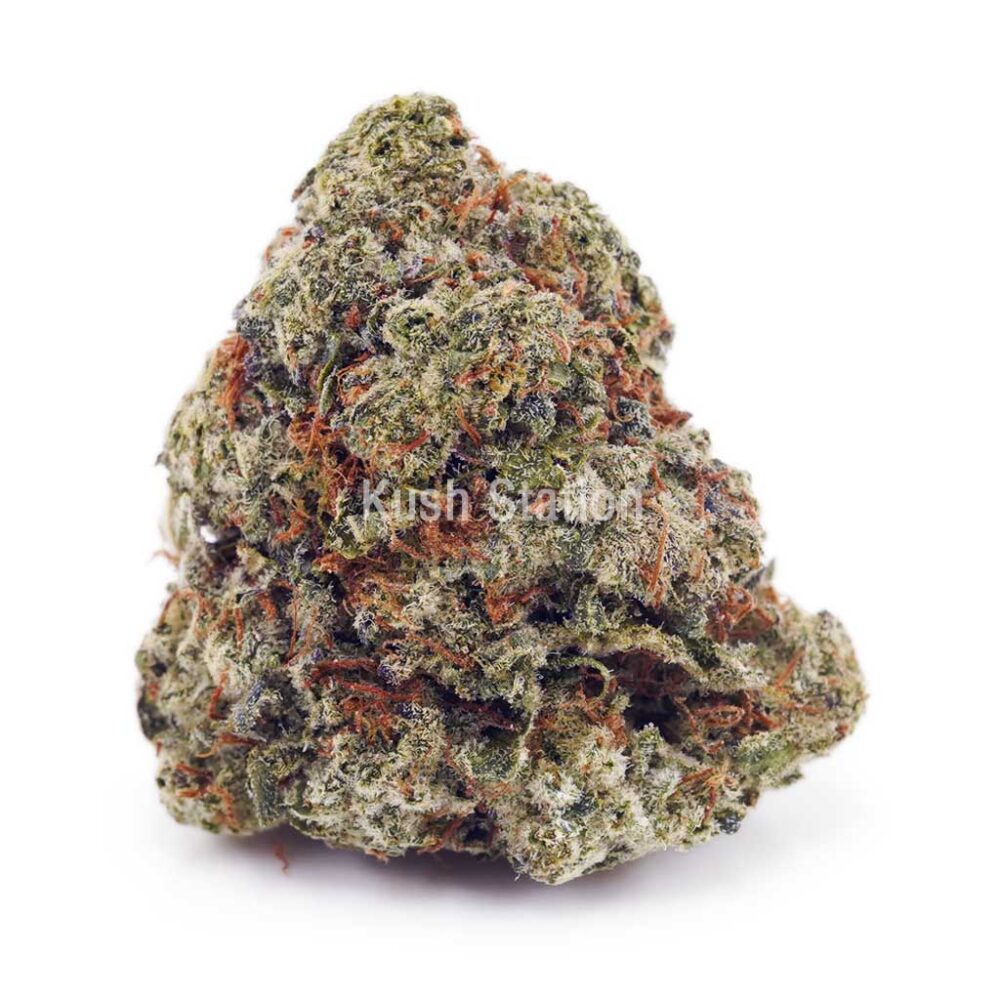
The market for sativa cannabis flower is diverse, and it pays to be curious. Try different strains from different regions. Compare a greenhouse-grown product from the Okanagan Valley with something grown indoors in a small facility. Notice the differences in color, smell, and effect. Over time, you will develop your own sense of what works for you. That is the beauty of this plant; it is personal, and the journey of discovery is part of the experience.
Final Thoughts on Finding Your Sativa
In the end, the best sativa cannabis flower is the one that fits your life. Whether you are looking for a creative spark, a social lubricant, or a way to power through a long afternoon of chores, there is a Sativa out there for you. Pay attention to the details, respect the plant, and you will find what you are looking for.